If you drive for Uber, Lyft, or manage a rideshare fleet, keeping vehicles compliant is essential. Fortunately, virtual vehicle inspections have made the process faster, more convenient, and easier than ever.

Everything Drivers and Fleet Managers Need to Know
If you drive for Uber, Lyft, or manage a rideshare fleet, keeping vehicles compliant is essential. Fortunately, virtual vehicle inspections have made the process faster, more convenient, and easier than ever with Tinker.
Instead of visiting a physical inspection location, drivers and fleet managers can now complete an online vehicle inspection from almost anywhere using a smartphone and a qualified inspection expert.
This guide walks through every step of completing a virtual rideshare inspection, from preparing your documents to receiving your approved inspection report.
What Is a Virtual Rideshare Inspection?
A virtual rideshare inspection is a remote vehicle inspection conducted through a mobile device. During the process, a certified inspector reviews your vehicle through live video or guided photo submissions to verify that it meets platform safety requirements.
Virtual inspections help drivers:
- Avoid trips to inspection centers
- Complete inspections on their own schedule
- Receive results faster
- Maintain compliance with rideshare platform requirements
- Reduce vehicle downtime
For fleet operators, virtual inspections also simplify compliance management across multiple vehicles.
Who Needs a Virtual Vehicle Inspection?
Most rideshare drivers are required to complete periodic rideshare vehicle checks to remain active on their platform.
Common situations that require an inspection include:
- New driver onboarding
- Annual or recurring compliance requirements
- Vehicle registration renewals
- Fleet vehicle audits
- Platform reactivation requests
Always verify your rideshare platform's current inspection requirements before beginning the process.
Step 1: Gather Your Documents
Before starting your online vehicle inspection, have the following items ready:
Vehicle Registration
Ensure your registration is current and matches the vehicle being inspected.
Proof of Insurance
Your insurance document should be active and clearly display policy information.
Driver Information
Some platforms may require your driver's license or account information during the inspection process.
Vehicle Details
Be prepared to confirm:
- Make and model
- Vehicle year
- VIN
- License plate number
- Current mileage
Having these documents ready helps prevent delays during the inspection.
Step 2: Prepare Your Vehicle
A clean and organized vehicle makes the inspection process smoother and faster.
Before your appointment:
- Wash the exterior if necessary
- Remove excessive clutter from the interior
- Verify all lights are functioning properly
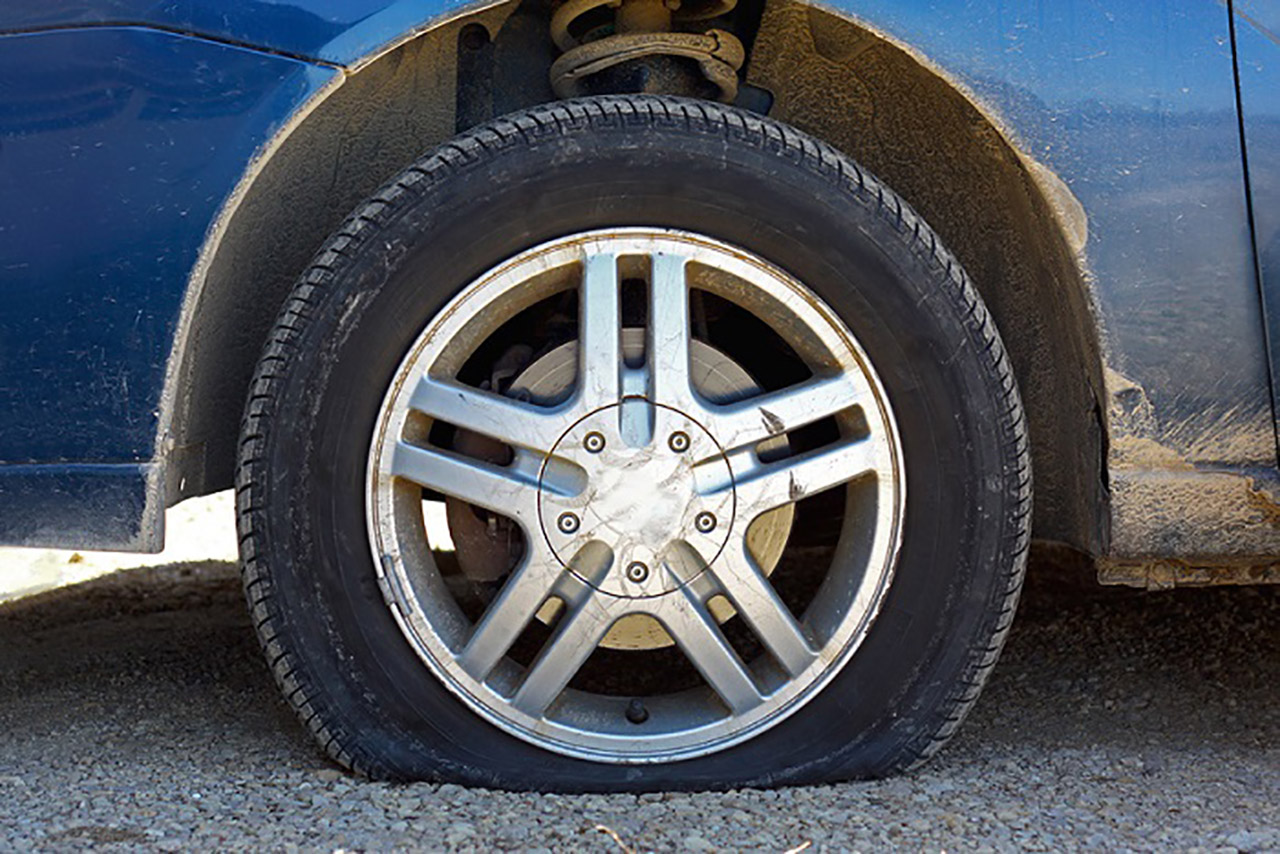
- Check tire condition
- Ensure seat belts are accessible
- Confirm mirrors and windows are clean and unobstructed
These simple steps help inspectors clearly evaluate vehicle condition and safety features.
Step 3: Join Your Virtual Inspection
At your scheduled inspection time, join the inspection using your smartphone.
Most virtual rideshare inspections are conducted through a live video session where an inspector guides you through the process.
You may be asked to show:
Exterior Vehicle Views
The inspector will typically request views of:
- Front of vehicle
- Rear of vehicle
- Driver side
- Passenger side
Tires and Wheels
Inspectors review tire condition and visible tread wear indicators.
Lights and Signals
You may be asked to demonstrate:
- Headlights
- Brake lights
- Turn signals
- Hazard lights
Windshield and Mirrors
Inspectors verify there are no major cracks, damage, or visibility issues.
Interior Safety Features
The inspection may include:
- Seat belts
- Dashboard warning lights
- Horn functionality
- Interior cleanliness
- Passenger safety features
The entire process often takes less than 15 minutes.
Step 4: Complete the Driving Safety Inspection Review
During the inspection, the inspector evaluates key vehicle safety components.
Common inspection categories include:
Brakes
Visual checks and safety verification where applicable.
Tires
Review of condition, inflation, and wear.
Steering and Suspension
Visible concerns that may impact vehicle safety are noted.
Lights and Electrical Components
All required lighting systems must function properly.
Glass and Visibility
Windshields, mirrors, and windows must provide clear visibility.
These driving safety inspections help ensure vehicles meet rideshare platform standards and provide safe transportation for passengers.
Step 5: Receive Inspection Results
Once the inspection is complete, the results are reviewed and finalized.
There are generally three possible outcomes:
Approved
Your vehicle passes inspection and receives a completed inspection report that can be submitted to your rideshare platform.
Conditional Approval
Minor issues may require clarification or additional documentation.
Failed Inspection
If safety concerns are identified, repairs may be required before a new inspection can be completed.
Most virtual inspection providers deliver results electronically, making submission simple and convenient.
Benefits of Virtual Vehicle Inspections for Fleet Operators
Virtual rideshare inspections are not only valuable for individual drivers. Fleet managers can also use digital vehicle audits to improve operational efficiency.
Benefits include:
- Faster vehicle onboarding
- Reduced administrative workload
- Improved compliance tracking
- Centralized inspection records
- Reduced vehicle downtime
- Better fleet visibility
When paired with modern fleet management tools, virtual inspections can streamline operations across large vehicle networks.
Common Questions About Online Vehicle Inspections
How long does a virtual rideshare inspection take?
Most inspections are completed within 10 to 15 minutes, depending on vehicle condition and documentation readiness.
Do I need special equipment?
No. A smartphone with a camera and internet connection is typically all that is required.
Are virtual inspections accepted by rideshare platforms?
Acceptance varies by platform and region. Always verify current requirements before scheduling an inspection.
What happens if my vehicle fails?
You will receive information about the issues identified and can typically schedule a new inspection after repairs are completed.
Complete Your Virtual Inspection with Confidence
Virtual vehicle inspections have transformed how rideshare drivers and fleet operators maintain compliance. By preparing your documents, ensuring your vehicle is inspection-ready, and following the inspector's guidance, you can complete the process quickly and efficiently.
Whether you're an individual driver looking to stay active or a fleet manager overseeing multiple vehicles, online vehicle inspection solutions offer a convenient way to complete required rideshare vehicle checks while minimizing downtime and administrative effort.
Schedule Your Inspection With Tinker Today!