Most Uber drivers focus on one number: earnings.
But what actually determines your success is what you keep after expenses. Gas, maintenance, and vehicle wear all add up quickly. And one overlooked category can take you off the road entirely: inspections.

If you want to maximize your income and avoid downtime, you need a simple system to track your real costs and keep your car inspection-ready.
This checklist breaks down exactly what to track before you hit the road.
Why Tracking Expenses Matters More Than You Think
It is easy to underestimate how much you are spending as a driver.
Two drivers can earn the same amount per week and walk away with very different profits. The difference usually comes down to:
- How well they track expenses
- How proactively they maintain their vehicle
- Whether they stay ahead of inspection requirements
If you are not tracking these categories, you are guessing your hourly rate.
Daily Expenses to Track
These are the costs that impact your earnings every time you drive.
Fuel
Fuel is your largest variable expense.
Track:
- Cost per fill-up
- Miles driven per tank
- Your average cost per mile
Even small improvements in fuel efficiency can significantly increase your take-home pay over time.
Tolls and Parking
These can add up quickly, especially in urban markets or airport runs.
Track:
- Daily toll spend
- Airport or event parking fees
Make sure these are factored into whether a trip is actually profitable.
Weekly Maintenance Checkpoints
These are not always direct expenses, but ignoring them leads to bigger costs and failed inspections.
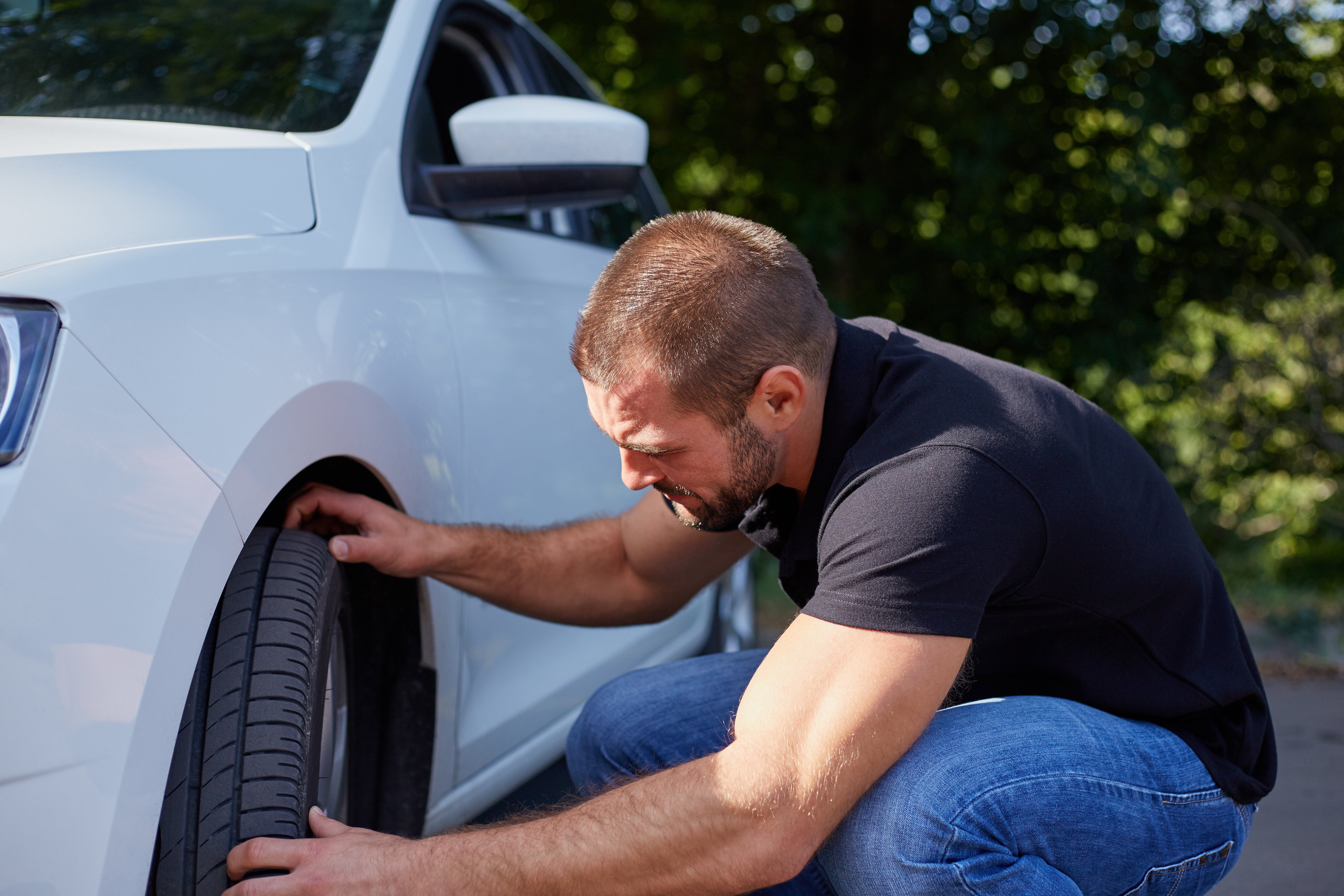
Tire Condition
Check:
- Tire pressure
- Tread depth
- Uneven wear
Worn tires are one of the most common reasons drivers fail a rideshare inspection. Reviewing a basic Uber inspection checklist can help you spot issues early.
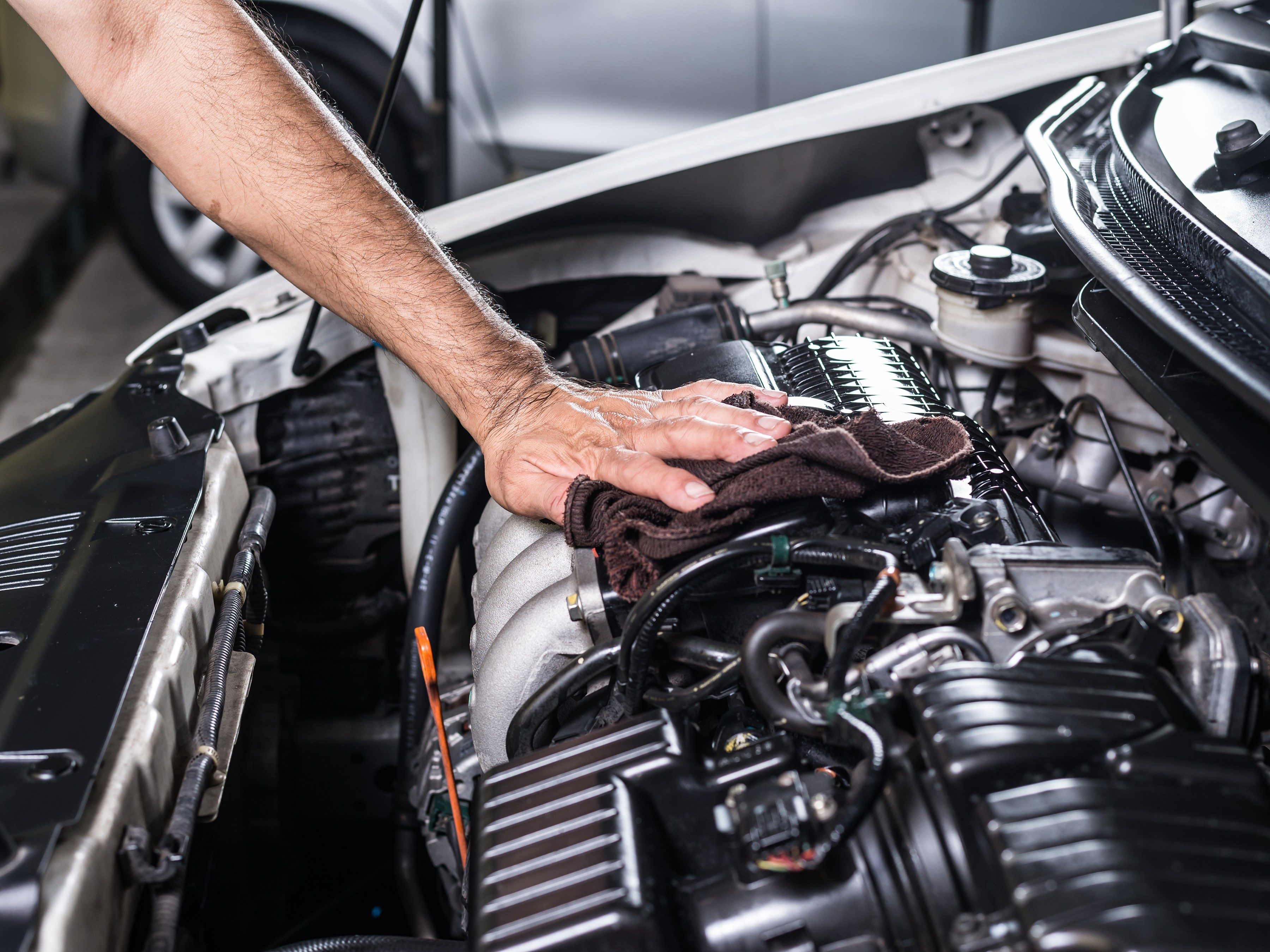
Fluids
Monitor:
- Engine oil
- Brake fluid
- Coolant
- Windshield washer fluid
Low or dirty fluids can trigger warning lights and lead to inspection failures.
Brakes
Pay attention to:
- Squeaking or grinding
- Reduced stopping power
Brake issues can take your car off the road immediately if they show up during an inspection.
Monthly and Long-Term Costs
These are the expenses that quietly reduce your real earnings over time.
Insurance
Track your monthly premium and any rideshare-specific coverage.
Depreciation
Every mile you drive reduces your vehicle’s value. This is especially important if you are putting on high mileage through long distance trips.
Scheduled Maintenance
Include:
- Oil changes
- Tire rotations
- Brake replacements
Staying on schedule helps you avoid bigger repair costs and keeps your car eligible for rideshare driving.
Inspection-Related Costs and Risks
This is where many drivers lose money without realizing it.
Rideshare Inspections
You are required to pass a vehicle inspection to drive for Uber.
Track:
- When your next inspection is due
- Any known issues before your inspection
- Time spent scheduling or completing inspections
If you are not sure what is checked, review a full Uber vehicle inspection checklist so there are no surprises.
Failed Inspection Risk
Failing an inspection can cost more than the inspection itself.
It can lead to:
- Lost driving time
- Unexpected repair costs
- Missed peak earning periods
If it happens, knowing what to do after a failed rideshare inspection can help you get back on the road faster.
Preventative Inspections
Many experienced drivers choose to check their vehicle before their official inspection deadline.
A quick pre-check can:
- Catch issues early
- Reduce the risk of failing
- Keep your earnings consistent
Simple Weekly Expense Checklist
Before you start your week, run through this:
- Fuel costs tracked and understood
- Tires checked for pressure and tread
- No warning lights on dashboard
- Fluids topped off
- Brakes functioning properly
- Interior and exterior clean
- Inspection status up to date
This takes a few minutes but can prevent days of lost income.
How This Impacts Your Real Hourly Rate
Your hourly rate is not just what Uber pays you. It is: earnings minus expenses minus downtime.
Drivers who stay ahead on maintenance and inspections:
- Avoid failed inspections
- Reduce unexpected repairs
- Stay active during peak demand
- Keep a higher percentage of what they earn
Drivers who do not track these costs often overestimate their income.
Final Take
Driving for Uber is not just about picking up more rides. It is about managing a vehicle that meets requirements every day you are on the road.
Tracking your expenses and staying inspection-ready is what separates consistent earners from drivers who deal with constant interruptions.
If you want to protect your time, your car, and your income, treat this checklist as part of your routine, not something you think about only when there is a problem.
Need a rideshare inspection for Uber or Lyft? Check us out at Tinker!